
About
Xtaltq Technologies Co., Ltd was founded in 2009 and located in Chengdu, China. We have 800 square meters of production workshop in Shuangliu District, Chengdu, with high-precision fully automated placement machine, automatic test system, phase noise meter, etc. Our main products contains TCXO, OCXO, VCXO etc. We are in the leading position in the industry/military grade and work with many famous enterprises overseas. https://www.xtaltq.com/
Home
XtalTQ is a leading global manufacturer of high-performance time-frequency control products and services. We were founded in 2009, located in Tianfu Software Park, Chengdu High-tech Zone, is engaged in the design and development of time-frequency products, these oscillators ensure optimal performance in industry, aerospace, communications, LoT, all kinds of equipment and more.
Contact
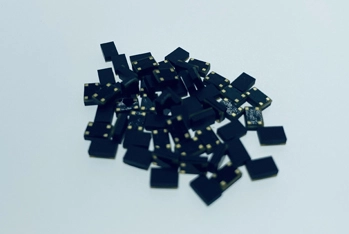
SPXO Oscillator
Low-Power SPXO Oscillators: Benefits, Applications, and Design Advantages
A Simple Packaged Crystal Oscillator, commonly known as an SPXO, provides a stable and accurate frequency signal for electronic systems. Although its structure is straightforward, this type of crystal oscillator plays an essential role in maintaining timing accuracy across a wide range of devices. From wireless communication equipment and computers to wearable technology and medical instruments, SPXOs support reliable system performance without adding unnecessary complexity.
Low-power SPXO oscillators have become especially valuable as manufacturers develop smaller, smarter, and more energy-efficient products. Their reduced power requirements help extend battery life, minimize heat generation, and support compact circuit designs. These advantages make them a practical timing solution for portable electronics, Internet of Things devices, industrial equipment, and many other applications.
What Is an SPXO Oscillator?
An SPXO uses a quartz crystal as its frequency reference. Quartz naturally vibrates at a highly stable frequency when an electrical signal passes through it. The oscillator circuit sustains this vibration and converts it into a consistent clock or timing output.
Unlike a basic crystal unit, an SPXO contains the crystal and oscillator circuitry in a single packaged component. This integrated design simplifies circuit development and allows engineers to install a reliable frequency source without designing a separate oscillator circuit from scratch.
SPXOs are available in different frequency ranges, voltage options, package sizes, and output formats. Depending on the model, the device may provide a complementary metal-oxide semiconductor (CMOS) output or another signal format suitable for the target application. Engineers can select the appropriate configuration based on frequency stability, operating voltage, temperature range, and power requirements.
Key Features of Low-Power SPXO Devices
Low-power SPXOs combine the stability of quartz technology with efficient circuit operation. Their main characteristics typically include:
Stable frequency output
Low current consumption
Compact surface-mount packaging
Reliable startup performance
Broad operating temperature ranges
Compatibility with modern digital circuits
Simple installation and system integration
The exact performance of an SPXO depends on its design and intended use. Some applications prioritize minimum current consumption, while others require tighter frequency tolerance or stronger resistance to temperature changes. By evaluating these requirements early in the design process, engineers can choose an oscillator that balances efficiency, accuracy, and cost.
How Low Power Consumption Benefits Electronic Devices
Power efficiency affects nearly every aspect of modern electronic design. A timing component may consume less energy than other system elements, but reducing its power demand can still improve overall product performance.
Extended Battery Life
Battery-powered products depend on efficient components to operate for longer periods between charging cycles or battery replacements. A low-power SPXO reduces the energy required to generate a stable timing signal, helping portable devices remain functional for extended periods.
This benefit is particularly important for smartwatches, fitness trackers, wireless sensors, handheld instruments, and remote monitoring equipment. In products that spend most of their time in standby mode, even small reductions in operating current can produce meaningful improvements in battery life.
Improved Energy Efficiency
Low-power oscillator technology supports more efficient electronic systems. Reduced energy consumption can help manufacturers meet product efficiency targets while lowering operating costs over the device’s service life.
In large-scale deployments, such as industrial sensor networks or connected infrastructure, the cumulative energy savings can become substantial. A small improvement in the power consumption of each device can translate into lower maintenance requirements and reduced energy demand across thousands of units.
Lower Heat Generation
Electronic components generate heat when they consume electrical power. Excessive heat can affect frequency stability, shorten component life, and reduce the reliability of the entire product.
Because a low-power SPXO produces less heat, it helps maintain a more stable thermal environment inside the equipment. This is especially useful in compact enclosures where airflow is limited and thermal management space is restricted. Lower heat generation can also reduce the need for additional cooling components, helping simplify the product design.
Smaller and Lighter Product Designs
Low-power components often require fewer supporting power-management and cooling circuits. As a result, engineers can create smaller and lighter electronic products without compromising essential timing performance.
This advantage supports the development of compact consumer electronics, wearable devices, portable medical equipment, and miniature IoT sensors. A smaller oscillator package can also free valuable printed circuit board space for processors, communication modules, memory, and other functions.
Major Applications of Low-Power SPXO Oscillators
Low-power SPXOs serve as timing references in a broad range of electronic systems. Their combination of frequency stability, compact construction, and efficient operation makes them suitable for both consumer and professional applications.
Wearable Technology
Wearable products require components that deliver reliable performance while consuming very little energy. Smartwatches, fitness bands, health monitors, and other wearable devices use timing references to coordinate processors, sensors, displays, wireless communication, and data collection.
A low-power SPXO helps these products operate longer between charges. Its compact package also fits the limited space available inside a wearable enclosure. Stable frequency output supports consistent communication and accurate timing for functions such as activity tracking, alarms, data synchronization, and wireless connectivity.
Internet of Things Devices
IoT devices often operate in remote locations where technicians cannot easily replace batteries or perform maintenance. Examples include environmental sensors, smart meters, asset-tracking systems, agricultural monitoring nodes, and industrial condition-monitoring equipment.
These devices may remain active for months or even years. A low-power SPXO helps reduce energy consumption while providing the stable clock signal required by microcontrollers, radio modules, and sensor systems. By extending battery life, the oscillator can contribute to longer maintenance intervals and lower deployment costs.
For solar-powered or energy-harvesting IoT equipment, efficient operation is even more important. When available energy varies with weather or environmental conditions, every component must use power carefully. A low-power timing solution helps the system make better use of its limited energy supply.
Portable Medical Equipment
Portable medical products require dependable timing performance because inaccurate clock signals can affect data collection, communications, and device operation. Glucose monitors, portable electrocardiogram systems, patient monitors, wearable health trackers, and infusion-related equipment may use SPXO oscillators as part of their timing architecture.
Low power consumption helps portable medical devices operate longer without recharging. This can improve convenience for patients and healthcare professionals while supporting reliable monitoring outside hospitals and clinics. Reduced heat generation also benefits compact medical devices that remain close to the body for long periods.
Medical product designers must select components that meet the relevant reliability, quality, and regulatory requirements. While an SPXO can provide an effective timing solution, the final component choice should reflect the operating environment and the performance standards of the specific medical application.
Selecting the Right SPXO for a Product
Engineers should consider several technical factors when choosing a low-power SPXO. Frequency tolerance determines how closely the output matches the specified frequency, while frequency stability describes how the output changes with temperature, voltage, aging, and other conditions.
Other important specifications include:
Supply voltage
Operating current
Output waveform
Frequency range
Startup time
Package dimensions
Operating temperature
Aging characteristics
Output load capability
The application determines which specifications deserve the highest priority. A battery-operated sensor may focus on current consumption and long-term reliability, while a communication system may require tighter frequency stability. Careful comparison of datasheets can help designers avoid performance problems during the development stage.
SPXO Oscillators for Efficient System Design
Low-power SPXO oscillators provide a practical balance between frequency accuracy, compact size, reliability, and energy efficiency. Their stable quartz-based output supports the timing requirements of many electronic systems, while their low current consumption makes them well suited to battery-powered and portable products.
As manufacturers continue to develop connected devices, wearable electronics, medical equipment, and remote sensors, efficient timing components will remain important. By reducing energy use, limiting heat generation, and simplifying circuit design, low-power SPXOs help engineers create products that operate longer, occupy less space, and deliver dependable performance in demanding environments.
As a crystal oscillator supplier, we will do our best to meet all the needs of customers.
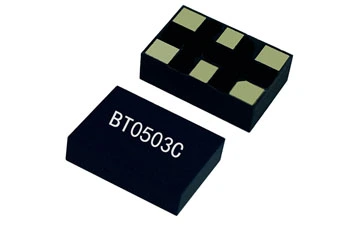
Stratum III TCXO
Stratum 3 TCXO: High-Precision Timing for Telecommunications and Network Synchronization
A Stratum 3 Temperature-Compensated Crystal Oscillator (TCXO) provides the stable, accurate frequency reference that modern communication and networking systems require. Designed to maintain dependable timing across changing environmental conditions, this advanced oscillator helps telecommunications equipment, data centers, GPS systems, and other mission-critical technologies operate with greater consistency.
Frequency accuracy plays a central role in digital communication. When network devices lose synchronization, they may experience data errors, dropped connections, signal interference, or service interruptions. A high-quality Stratum III TCXO helps prevent these issues by delivering a controlled and reliable timing signal, even when ambient temperature, supply voltage, or operating conditions change.
What Is a Stratum III TCXO?
A TCXO combines a quartz crystal resonator with an electronic temperature-compensation circuit. Quartz naturally provides excellent frequency stability, but its output can shift as the surrounding temperature changes. The compensation circuit detects temperature-related variations and adjusts the oscillator’s operating conditions to maintain a more accurate frequency.
The “Stratum III” designation refers to a higher level of timing performance used in telecommunications and synchronization systems. Equipment designed for this timing class must maintain dependable frequency control within demanding operational limits. A Stratum III TCXO therefore offers more than a basic clock source; it supports the synchronization architecture that keeps interconnected network equipment working together.
These oscillators are available in different frequency ranges, output formats, package sizes, and supply-voltage configurations. Engineers can select a model based on the requirements of the application, including frequency stability, holdover performance, power consumption, environmental conditions, and integration space.
Reliable Frequency Stability Across Temperature Changes
One of the most important advantages of a Stratum III TCXO is its ability to reduce frequency variation caused by temperature changes. Telecommunications equipment may operate in outdoor cabinets, industrial facilities, rooftop installations, transportation systems, or temperature-controlled data centers. In each environment, the oscillator must continue producing a dependable timing signal.
Without temperature compensation, a crystal oscillator may drift as the temperature rises or falls. Even a small frequency error can become significant in systems that rely on precise synchronization across multiple devices. A TCXO compensates for this behavior electronically, helping the output remain closer to its specified frequency over a broad operating range.
This enhanced temperature stability benefits applications that require continuous operation, predictable performance, and accurate timing under fluctuating environmental conditions.
Supporting Telecommunications Network Synchronization
Telecommunications networks depend on synchronization to coordinate switches, routers, base stations, transmission systems, and other infrastructure. Timing errors can affect data transmission, network handoffs, packet processing, and service quality.
A stratum 3 oscillator can serve as a dependable frequency reference in equipment such as:
Wireless communication infrastructure
Fiber-optic transmission systems
Network routers and switches
Base-station timing modules
Access network equipment
Synchronous Ethernet systems
Digital transmission platforms
Timing distribution units
By supplying a stable clock signal, the oscillator helps network equipment maintain coordinated operation. This is particularly important as communication networks support higher data rates, denser traffic, and increasingly complex synchronization requirements.
Why Precision Matters in GPS and Positioning Systems
Global positioning and navigation equipment relies on accurate timing to calculate location. GPS receivers measure the arrival time of signals transmitted by satellites, and even small timing inaccuracies can affect positioning results.
A stable TCXO helps the receiver maintain a reliable local time reference. This can support faster signal processing, more consistent positioning, and improved performance in applications such as fleet tracking, telecommunications infrastructure, surveying equipment, unmanned systems, and industrial navigation.
The oscillator does not replace the satellite timing signal, but it plays an important role in maintaining local frequency stability between signal updates. Its performance becomes especially valuable when the receiver operates in challenging environments or must continue functioning despite temporary signal limitations.
Dependable Timing for Data Centers
Data centers contain large numbers of interconnected servers, storage systems, switches, and monitoring devices. These systems exchange information continuously and often require coordinated timing for data integrity, network management, event logging, and system control.
A high-precision Stratum III TCXO can support timing functions in networking and synchronization equipment used inside data centers. Its stable output helps reduce timing variation and supports consistent operation across connected devices.
Reliable timing also assists with fault analysis and security monitoring. Accurate timestamps allow system administrators to reconstruct events, compare logs, and identify irregular activity more effectively. For organizations that depend on uninterrupted digital services, stable synchronization contributes to operational resilience.
Advanced Temperature Compensation Technology
The performance of a TCXO depends heavily on the quality of its compensation design. Advanced compensation technology evaluates the relationship between temperature and crystal frequency, then applies an appropriate correction to reduce frequency drift.
Modern designs may use precision temperature sensors, carefully calibrated control circuits, and optimized crystal characteristics. Together, these elements help the oscillator deliver stable performance over its specified operating range.
A well-designed TCXO also considers other factors that can influence frequency accuracy, including power-supply variation, aging, output loading, and mechanical conditions. Engineers should review the complete technical specification rather than evaluating temperature stability alone.
Key Benefits of Our Stratum III TCXO
Our Stratum III TCXO solutions are designed to meet the practical demands of telecommunications and precision timing applications. They offer several advantages for system designers and equipment manufacturers.
High Frequency Accuracy
The oscillator delivers a controlled frequency output for systems that depend on precise timing. Its temperature-compensated architecture helps maintain accuracy when environmental conditions change.
Consistent Long-Term Operation
Reliable construction and carefully selected components support stable performance over extended operating periods. This makes the TCXO suitable for infrastructure equipment that must remain active continuously.
Broad Application Compatibility
Our Stratum III TCXOs can support a variety of systems, including telecom networks, GPS equipment, data centers, industrial controls, and synchronization modules. Multiple configuration options make integration easier across different product platforms.
Compact and Efficient Design
Space inside modern electronic equipment is limited. A compact oscillator package allows engineers to include high-performance timing functionality without requiring a large circuit footprint. Depending on the model, low power consumption can also help improve overall system efficiency.
Custom Engineering Options
Different applications may require specific frequencies, output waveforms, voltage levels, package dimensions, or environmental ratings. We can work with customers to identify suitable configurations and develop solutions that match their technical and production requirements.
Choosing the Right Stratum III Timing Oscillator
Selecting a TCXO requires careful evaluation of the system’s operating conditions and timing objectives. Important specifications may include:
Nominal output frequency
Frequency stability over temperature
Initial frequency accuracy
Aging performance
Supply voltage and current consumption
Output type and load capability
Operating temperature range
Package size and mounting style
Startup time
Environmental and reliability requirements
Engineers should also consider how the oscillator will interact with the rest of the synchronization system. The correct timing source depends on the network architecture, reference distribution method, performance targets, and equipment design.
Technical Support for Faster Integration
Selecting the right timing component is only the first step. Successful integration also depends on circuit layout, power-supply quality, signal routing, load matching, and environmental management.
Our technical team can help customers evaluate oscillator specifications, review application requirements, and identify suitable products for their systems. Engineering support can simplify the design process, reduce compatibility risks, and help manufacturers move from prototype development to volume production more efficiently.
A Reliable Choice for Precision Timing
A Stratum III TCXO delivers the precision and stability required by modern communication and synchronization systems. Its temperature-compensated design helps control frequency drift, while its dependable construction supports long-term operation in demanding environments.
For telecommunications networks, GPS equipment, data centers, and other timing-sensitive applications, choosing a suitable TCXO can improve system reliability and synchronization performance. With advanced technology, flexible configuration options, competitive value, and responsive technical support, our Stratum III TCXO solutions provide a practical foundation for accurate timing and dependable network operation.
As a crystal oscillator supplier, we can provide kinds of related products for sale, anything you need, please contact us.
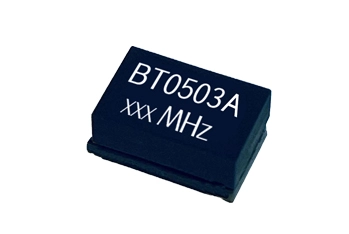
TCXO
10 MHz TCXO Reference: Precision Timing, Low Power, and Advanced Frequency Stability
A 10 MHz temperature compensated oscillator (TCXO) provides a reliable frequency reference for electronic systems that require accurate timing without the size, power consumption, and cost associated with an Oven-Controlled Crystal Oscillator (OCXO). Engineers commonly select 10 MHz TCXOs for GNSS receivers, telecommunications equipment, frequency counters, portable test instruments, wireless devices, and industrial control systems.
By combining a precision quartz crystal with an electronic temperature-compensation circuit, a TCXO maintains a stable output frequency as operating conditions change. This balance of accuracy, compact design, energy efficiency, and affordability makes the TCXO an essential timing component in modern electronics.
What Is a 10 MHz TCXO?
A 10 MHz TCXO generates a nominal output frequency of 10 million cycles per second. This frequency has become a widely used reference standard because it integrates easily with timing circuits, frequency synthesizers, communication systems, and measurement equipment.
The oscillator uses a quartz crystal as its frequency-selective element. Quartz provides excellent natural stability, but its frequency can vary when the surrounding temperature changes. A TCXO compensates for this variation by detecting temperature changes and adjusting the oscillator circuit accordingly.
Compared with an uncompensated crystal oscillator, a TCXO delivers significantly better frequency stability over its operating temperature range. It does this while consuming far less power and occupying less space than many high-performance OCXO designs.
Why Choose a 10 MHz TCXO Reference?
A 10 MHz TCXO offers several practical advantages for system designers:
Stable frequency output across changing temperatures
Lower power consumption than an OCXO
Compact surface-mount and through-hole package options
Good resistance to environmental frequency drift
Fast startup compared with oven-controlled designs
Lower overall system cost
Compatibility with GNSS, telecom, RF, and test equipment
These benefits make the device suitable for applications that require dependable timing but do not need the extreme stability or low phase noise of an oven-controlled oscillator.
A 10 MHz TCXO can serve as a local reference, a clock source, or part of a frequency-generation and synchronization circuit. The appropriate model depends on the application’s stability, phase-noise, voltage, temperature, and output requirements.
How Temperature Compensation Works
The quartz crystal inside a conventional oscillator changes its resonant frequency as the temperature rises or falls. Without compensation, this frequency drift can reduce the accuracy of the entire system.
A TCXO counteracts this behavior through an electronic compensation network. The process generally includes the following elements:
Temperature detection: A temperature-sensitive circuit measures changes in the local environment.
Correction generation: Thermistors, passive components, or integrated control circuits produce a correction signal.
Frequency adjustment: The correction signal changes the reactance of a varactor diode or another tuning element.
Output stabilization: The oscillator adjusts its operating point to offset the crystal’s temperature-related frequency shift.
The manufacturer must carefully characterize and calibrate the crystal and compensation network. Accurate component selection and calibration allow the TCXO to maintain a stable output across its rated temperature range.
Modern TCXO designs may also address other sources of frequency variation, including supply-voltage changes, aging, output loading, and mechanical stress. Engineers should therefore evaluate the complete technical specification rather than relying on temperature stability alone.
Applications of 10 MHz TCXO Oscillators
GNSS Receivers and Navigation Systems
GNSS receivers depend on precise timing to process satellite signals and calculate position. A stable 10 MHz TCXO provides the local frequency reference required by the receiver’s signal-processing and synchronization circuits.
The oscillator helps support consistent satellite tracking, signal acquisition, and navigation performance. It also maintains local frequency stability when satellite signals become weak, temporarily unavailable, or obstructed by buildings and terrain.
Common applications include vehicle navigation, fleet management, surveying equipment, timing modules, unmanned systems, and industrial positioning platforms.
Telecommunications and Wireless Infrastructure
Communication networks require accurate timing to coordinate data transmission, radio channels, and connected equipment. A 10 MHz TCXO can support frequency synthesis, clock generation, wireless base stations, network equipment, and radio communication systems.
Its combination of stability and low power consumption benefits equipment installed in remote locations, outdoor cabinets, and compact communication platforms. TCXOs also support applications related to cellular networks, private wireless systems, fiber-optic equipment, and radio-frequency transceivers.
Frequency Counters and Test Instruments
Measurement equipment requires a reliable reference to produce accurate frequency readings. Frequency counters, signal generators, spectrum analyzers, and portable test instruments often use TCXOs when they need better stability than a standard crystal oscillator can provide.
A 10 MHz reference simplifies calibration and allows the instrument to maintain dependable measurement performance over a range of operating temperatures. Portable equipment also benefits from the TCXO’s low power consumption and compact footprint.
IoT and Smart Devices
Internet of Things devices often operate from batteries or limited energy sources. These products need accurate timing for wireless communication, data collection, processor control, and power-management functions.
A low-power TCXO can support smart meters, asset trackers, environmental sensors, industrial monitoring systems, and connected consumer products. Its efficient operation helps extend battery life while maintaining the frequency stability needed for reliable communication.
Avionics and Industrial Systems
Avionics equipment and industrial automation systems may operate in environments with significant temperature variation, vibration, and electrical interference. A TCXO provides a dependable frequency reference for control, navigation, communication, and data-acquisition functions.
Designers must select a component that meets the application’s environmental and reliability requirements. Appropriate qualification, testing, and system-level integration remain essential for safety-critical equipment.
TCXO Versus OCXO: Which Is Better?
Both TCXOs and OCXOs provide stable frequency output, but they use different methods to control temperature effects.
A TCXO compensates electronically. It detects temperature-related frequency drift and applies a correction to the oscillator circuit. This approach produces a small, efficient, and cost-effective component.
An OCXO places the crystal and oscillator inside a thermostatically controlled oven. The oven maintains a nearly constant internal temperature, which allows the crystal to operate within a highly stable thermal environment.
TCXO Advantages
Lower power consumption
Smaller size
Lower purchase cost
Faster startup
Easier integration into portable products
Suitable for many GNSS, telecom, and consumer applications
OCXO Advantages
Superior frequency stability
Excellent long-term performance
Lower phase noise in many designs
Suitable for high-end communication and measurement systems
The right choice depends on the system’s priorities. A TCXO usually provides the best balance when the design requires reliable timing, moderate-to-high stability, low power, and compact dimensions. An OCXO becomes more appropriate when the application demands the highest possible stability and can accommodate additional power, size, heat, and cost.
Ultra-Low-Phase-Noise TCXO Applications
Some systems require not only frequency stability but also a clean signal with minimal phase noise. Ultra-low-phase-noise TCXOs address this need by combining temperature compensation with carefully optimized oscillator and output-stage designs.
These devices may support:
Wireless base stations
GNSS and precision navigation receivers
Avionics communication systems
High-speed data transmission equipment
RF test and measurement instruments
Industrial automation platforms
Communication infrastructure
Frequency synthesis and signal-generation systems
Low phase noise helps preserve signal quality and improves performance in systems that process weak signals, narrow frequency channels, or high-speed data.
Typical TCXO Accuracy
TCXO performance varies according to the crystal design, compensation method, operating temperature range, and calibration process. Many commercial devices provide frequency stability from approximately ±.1 to ±5 parts per million (ppm) over the specified temperature range.
The required accuracy depends on the application. A consumer wireless product may accept a wider tolerance, while a GNSS reference, telecommunications system, or measurement instrument may require tighter stability.
When comparing products, engineers should review initial accuracy, temperature stability, aging, supply sensitivity, phase noise, startup time, and output load capability. These specifications provide a more complete picture of real-world oscillator performance.
Custom 10 MHz TCXO Solutions
TCXO manufacturers can often provide custom options for specific engineering requirements. These options may include:
Custom output frequencies
CMOS, clipped sine-wave, or other output formats
Special supply-voltage configurations
Different package dimensions
Extended temperature ranges
Customized frequency stability
Low-power versions
Application-specific calibration
Early communication with the manufacturer helps engineers identify the most suitable design. Sharing details about the operating environment, frequency requirements, power budget, board space, and expected production volume allows the supplier to recommend a practical solution.
Selecting a Reliable TCXO Oscillator Manufacturer
As one of qualified TCXO manufacturers should provide more than a frequency specification. Product quality also depends on crystal selection, compensation accuracy, calibration capability, production consistency, testing procedures, and technical support.
XtalTQ specializes in temperature-compensated crystal oscillators for telecommunications, GNSS, IoT, navigation, test equipment, and other precision timing applications. Its product development approach focuses on stable frequency performance, efficient designs, and flexible configuration options for different electronic systems.
Conclusion
A 10 MHz TCXO offers an effective solution for applications that need accurate timing, low power consumption, and reliable frequency stability across changing temperatures. It provides a practical middle ground between a basic crystal oscillator and a higher-cost OCXO.
From GNSS receivers and telecommunications equipment to frequency counters, IoT devices, avionics, and portable instruments, TCXOs support dependable synchronization in compact electronic designs. With options for ultra-low phase noise, custom frequencies, specialized outputs, and application-specific performance, the right TCXO can improve system accuracy, efficiency, and long-term reliability.
If you are looking for a reliable crystal oscillator supplier, please choose us, and we will be your best partner.